How to Teach Children Basic Money Skills: A Practical Guide

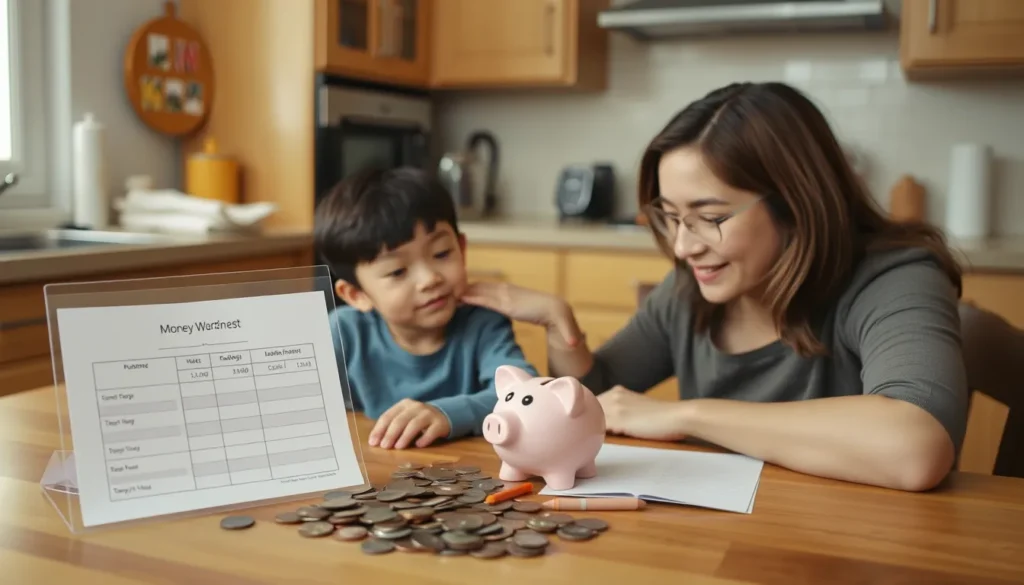
If you want to help your kids handle money with confidence, this guide offers a practical path forward. You will learn how to turn everyday moments into clear lessons on earning, saving, spending, and budgeting. No special tools are required, just consistent actions that build real financial habits.
Follow the step-by-step activities below to establish a simple, repeatable routine. Each step pairs a specific action with the visible result, ensuring you see progress. By avoiding common pitfalls, you can create a structured environment where children understand the value of their allowance and work toward meaningful money goals.
Gather Materials and Set Clear Goals
Start by assembling three essential items: a small pile of coins, a transparent piggy bank, and a simple paper ledger. The transparency allows children to visually track their progress, while the ledger provides a concrete record of every transaction. Keep these items visible in a central location to reinforce their importance.
Next, define specific learning objectives tailored to your child’s age. For younger children, focus on recognizing coins and the physical act of saving. Older children can practice distinguishing between earning, spending, and budgeting for a specific money goal. Clear expectations prevent confusion and set the stage for successful learning.
This preparation ensures you have the necessary tools before introducing complex concepts. By defining the goal upfront, you create a structured framework. The child knows exactly what they are working toward, whether it is filling the jar or buying a specific item. This clarity transforms abstract financial ideas into tangible, achievable tasks.
- Coins: For hands-on counting and exchange practice.
- Piggy Bank: A visual container for saving.
- Ledger: A simple grid to record earning and spending.
Having these materials ready eliminates barriers to starting the lesson. You can begin immediately once the child understands the purpose of each item. This setup creates a consistent environment where money management becomes a routine part of daily life rather than a sporadic activity.
Introduce Earning Through Simple Tasks
Start by selecting three to five age-appropriate tasks that you want completed regularly. Avoid linking these to emotional responsibilities; keep them functional and manageable. Assign a small, consistent monetary value to each task. Write this rate on the ledger so both you and the child can refer to it without discussion.
Instruct the child to mark the ledger immediately upon finishing a task. This habit reinforces the connection between effort and income. Do not pay for tasks that are expected household duties, such as making their bed. Reserve payment for extra help, like taking out trash or washing dishes.
The expected result is a clear understanding that money comes from work. The child learns that earning is active, not passive. They see that effort has a tangible reward. This foundation prevents confusion later about why money appears in their possession. It establishes the rule: no work, no allowance. Once they grasp this link, they are prepared to decide how to use the funds they earn. This step transitions the concept from abstract to practical, setting the stage for managing those earned funds through saving and spending.
Build a Saving Habit with a Visual Tracker
Transition from earning to managing funds by creating a visual system that makes saving tangible. A three-jar system or a simple chart helps children see money move, transforming abstract concepts into observable actions.
- Prepare three labeled containers for spending, saving, and sharing. Use distinct colors to differentiate categories clearly. Place these where your child can easily access them during allowance distribution.
- Allocate funds together after each earning session. Have the child physically move their allowance into the jars according to your agreed-upon ratio. Watching the jars fill provides immediate visual feedback on their progress toward a specific money goal.
- Review the tracker weekly to discuss growth. Ask how the savings jar feels to see filling up. This reinforces the habit of delaying gratification and allocating a portion of income for future needs rather than immediate consumption.
The expected result is a visible accumulation of resources. The child learns that saving is an active choice, not just a rule. This visual confirmation builds confidence in their ability to manage a budget over time, making the concept of deferred rewards concrete and achievable.
Practice Spending Decisions Using Real Purchases
Step 3: Grant your child a specific, limited allowance for a small, real-world purchase. This could be selecting a snack, choosing a toy from a catalog, or picking out a book. The constraint on funds forces them to evaluate options rather than simply taking what they want first.
Guide the conversation by asking them to compare at least two choices. Encourage them to articulate why one option is more appealing or practical than the other. Do not make the decision for them; let them own the selection process.
After the purchase is complete, pause to reflect. Ask how they feel about their choice. Did they regret spending it all on one item? Were they satisfied? This reflection is critical for developing an awareness of trade-offs. They learn that spending money means giving up the chance to use it for something else. This immediate feedback loop turns an abstract concept into a tangible lesson. The expected result is that the child begins to weigh costs against desires naturally, recognizing that every spending decision has a consequence. This habit builds financial maturity long before they handle larger amounts of money.
Create a Simple Budget for a Goal
Now that your child understands how to spend, pivot to planning. Step 4 involves creating a simple budget for a specific money goal. Start by selecting a concrete item, like a preferred toy or a family outing. Have the child look up the total cost to understand the full scope of the purchase.
Next, divide that total amount by the number of weeks you plan to save. This creates a clear weekly saving target. For example, if a goal costs thirty dollars and you have ten weeks, the weekly target is three dollars. Write this number down visibly.
Use a simple spreadsheet or a paper chart to record progress. Each week, have the child transfer their allowance or earnings into a designated jar or account. Mark the chart as they hit each weekly target. The immediate result is that the child experiences the satisfaction of planning and the discipline of delayed gratification. They learn that reaching a larger goal requires consistent, small actions over time. This practical budgeting exercise transforms abstract future value into a manageable, visible routine.
Reinforce Learning with Games and Review Sessions
Reinforce Learning with Games and Review Sessions
Solidify money concepts by integrating play into the weekly routine. Use board games that simulate earning, saving, and spending, or set up a role-play store where your child manages inventory and prices. These activities transform abstract rules into tangible experiences. During these sessions, focus on decision-making rather than winning. Ask questions like, "Which item gives you the most value for your budget?" This practice builds confidence in handling money independently.
Follow up with a brief weekly money talk. Sit down together to review the week’s allowance, savings progress, and spending choices. Keep the conversation positive and focused on learning from mistakes, not assigning blame. This consistent review reinforces the habit of tracking a budget and evaluating goals.
The expected result is strong retention and self-assurance. Children who regularly engage in these interactive sessions internalize financial logic more deeply. They move from needing constant supervision to making sound judgments on their own. This confidence transfers to real-world situations, ensuring they view money management as a manageable, repeatable skill rather than a source of stress.
Common Mistakes and How to Fix Them
Even with a solid routine, parents often stumble on a few critical errors that undermine the learning process. Identifying these pitfalls early allows you to adjust your approach and keep the money goal on track.
- Over-rewarding efforts. Giving excessive allowance for minor tasks inflates the value of money and disrupts the budget. Fix: Tie rewards to fair market value for household help, not affection or basic compliance.
- Blurring chores and earning. Expecting unpaid labor for basic hygiene, then paying for extras, creates confusion. Fix: Clearly distinguish between mandatory household duties and optional tasks that generate income.
- Neglecting the share jar. Skipping the charitable portion misses a vital lesson in generosity. Fix: Make donating a non-negotiable step in the saving routine, even if the amount is small.
- Ignoring spending mistakes. Criticizing bad purchases shuts down open dialogue. Fix: Use errors as teaching moments to review the budget and plan better next time.
